
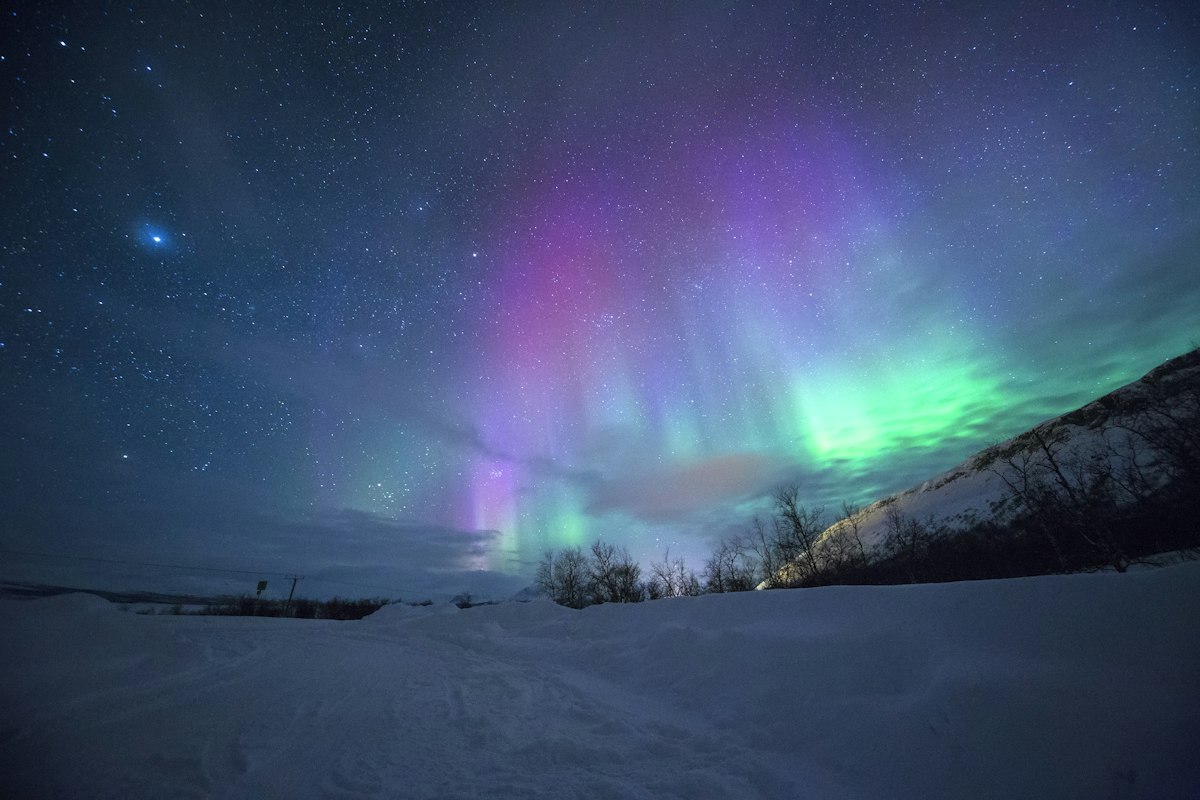
As Solar Cycle 25 crests its anticipated peak in 2026, NOAA's Space Weather Prediction Center (SWPC) has recorded a marked surge in X-class solar flares. Beyond spectacular auroras gracing night skies, these solar explosions exert fascinating interference on terrestrial Doppler weather radars and satellite sensors.
Ionospheric Scintillation and Radar Clutter
When a powerful Coronal Mass Ejection (CME) strikes Earth's magnetosphere, extreme ultraviolet and X-ray radiation ionizes the upper atmosphere (the ionosphere). This induces high electrical conductivity and creates rapid fluctuations in electron density known as ionospheric scintillation.
Doppler Radar Anomalies
Ground-based NEXRAD Doppler stations (including KLWX in Sterling, VA serving the Washington DC area) can capture transient phantom precipitation echoes caused by solar radio bursts operating in the 2.7–2.9 GHz band. Modern AI weather filtering now cleanses these solar artifacts in real time.
Chances of Aurora Sightings in the Mid-Atlantic
During G4 (Severe) and G5 (Extreme) geomagnetic storms, the auroral oval expands dramatically southward. For stargazers in Northern Virginia, Montgomery County, and suburban DC, rural spots with low light pollution (such as Sky Meadows State Park or Sugarloaf Mountain) offer rare chances to view geomagnetic auroras during 2026.
SOLAR & TERRESTRIAL SYNC
Check cloud cover, twilight clarity, and visibility conditions on DC Forecast 24.